WHAT
A CONTRACT
BUYS
- Date30.07.2023
- TagsMaintenance, Contracts
- ID425162364
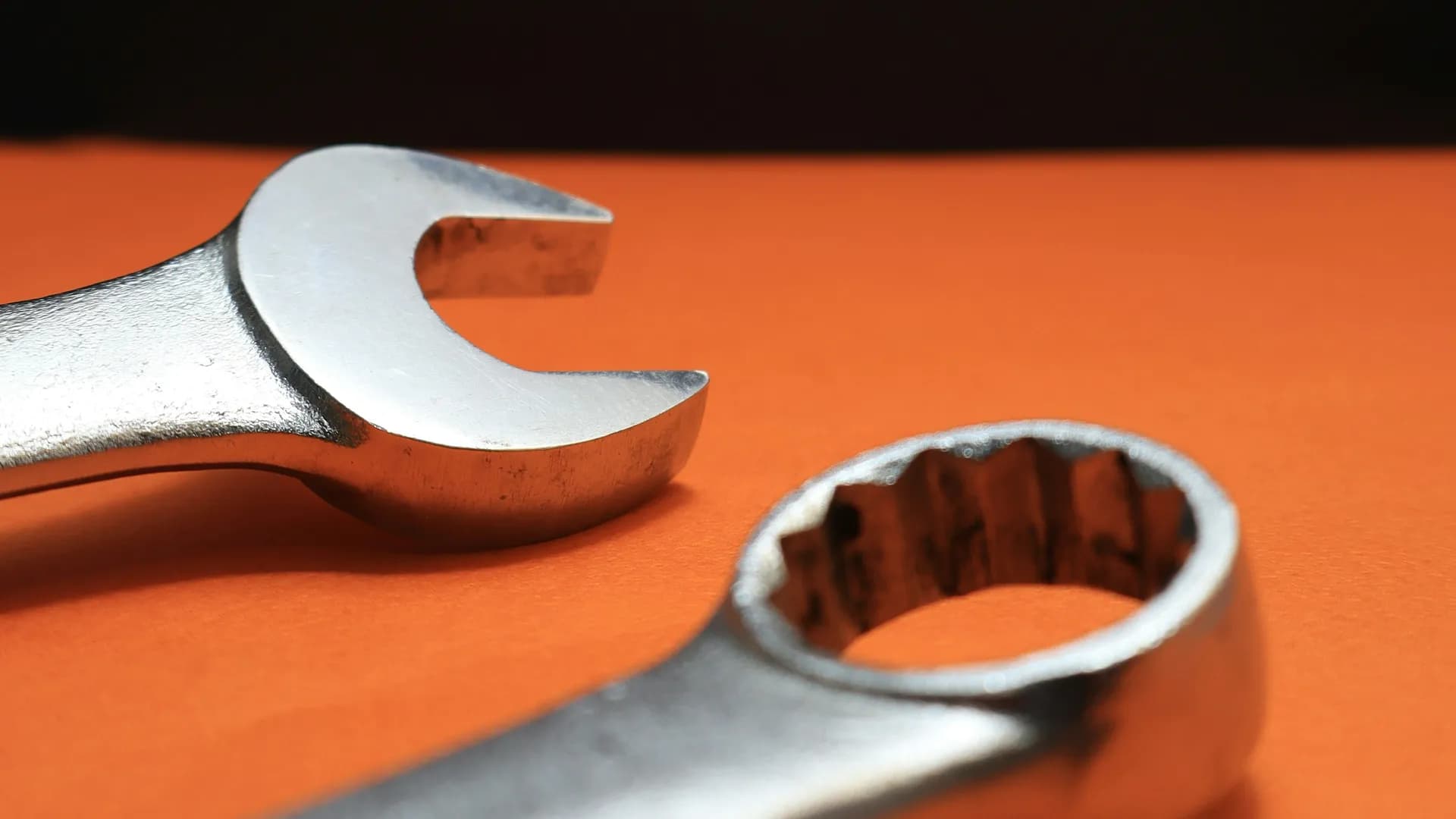
Reactive is not cheaper, it is later
Reactive repair looks cheaper because it is invisible until it happens. It arrives as an emergency callout, at an emergency rate, on the day the equipment was most needed.
What the schedule actually removes
Not every fault — nothing removes every fault. It removes the predictable ones: the blocked filter, the dirty condenser, the seal that has been failing for four months, the certificate that lapsed in the spring.
And what it leaves behind
A record. After a year you can see which machine has cost the most, how often, and whether the next repair is worth spending. That is the part of a maintenance contract nobody sells and everybody uses.

More Field Notes
Article
Service
Year
What a gas soundness test actually proves
Maintenance
2026
The emergency light that lasts two minutes
Fire Safety
2025
Why extraction canopies fail
Maintenance
2024
Grease, ductwork and the fire you do not see
Fire Safety
2024
Logging the temperatures that actually matter
Maintenance
2024
The compliance calendar
Fire Safety
2023
Planned maintenance against reactive repair
Maintenance
2023
What happens on the first service visit
Maintenance
2023
Commissioning readings, and why we keep them
Installation
2023
Fine on paper, marginal in practice
Installation
2023
Filters: the cheapest maintenance there is
Maintenance
2023
What an inspector actually checks
Fire Safety
2023
Water safety in commercial premises
Maintenance
2022
Seals, gaskets and the cost of a draught
Maintenance
2022
Tills, terminals and the network behind them
Maintenance
2020