ANNUAL
STATUTORY
TEST
- Date24.01.2026
- TagsCompliance, Kitchens
- ID161606773007036
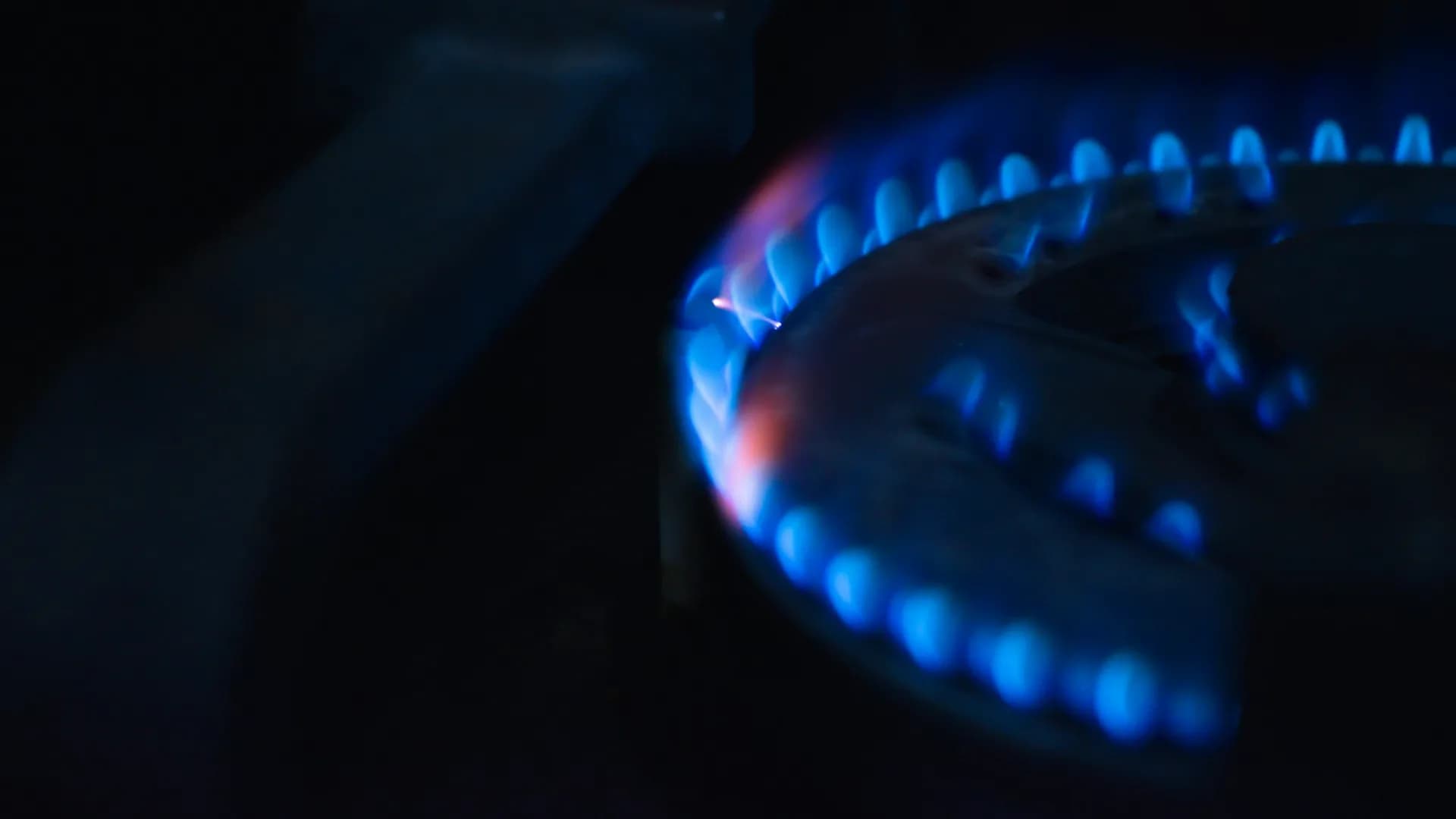
A gauge, not a nose
A gas soundness test is a pressure reading over time. The line is isolated, brought to test pressure and watched. If the gauge holds, the pipework is tight; if it drops, gas is going somewhere it should not — long before anyone can smell it.
That is the point of the exercise. A nose finds the leaks that are already dangerous. A gauge finds the ones that are still cheap.
What the certificate records
The certificate notes the test pressure, the duration, the result and the engineer who stood there while the needle did not move. Your insurer asks for it once a year. A kitchen that cooks on gas should not need to be asked.
More Field Notes
Article
Service
Year
What a gas soundness test actually proves
Maintenance
2026
The emergency light that lasts two minutes
Fire Safety
2025
Why extraction canopies fail
Maintenance
2024
Grease, ductwork and the fire you do not see
Fire Safety
2024
Logging the temperatures that actually matter
Maintenance
2024
The compliance calendar
Fire Safety
2023
Planned maintenance against reactive repair
Maintenance
2023
What happens on the first service visit
Maintenance
2023
Commissioning readings, and why we keep them
Installation
2023
Fine on paper, marginal in practice
Installation
2023
Filters: the cheapest maintenance there is
Maintenance
2023
What an inspector actually checks
Fire Safety
2023
Water safety in commercial premises
Maintenance
2022
Seals, gaskets and the cost of a draught
Maintenance
2022
Tills, terminals and the network behind them
Maintenance
2020